

Review · HOI AN COFFEE WORKSHOPS
Hoi An: Vietnamese Coffee Culture and Coffee Making Class
Hoi An’s coffee class is part tasting, part hands-on lesson, and part lively cultural introduction. In two hours, you’ll learn how a small metal Phin filter brews Vietnamese coffee and prepare five styles, from straightforward black coffee to Hanoi egg coffee.
I like that the class connects each recipe to the people and history behind it, rather than treating coffee as a list of ingredients. I also like the small-group format, capped at 10, and the chance to make the drinks yourself with friendly local instructors.
One thing to plan for: five coffee tastings can add up to a lot of caffeine, especially if you book an afternoon session. Eat beforehand if you’re sensitive to it, and check the vegan option carefully if you need an egg-free recipe.
At a glance
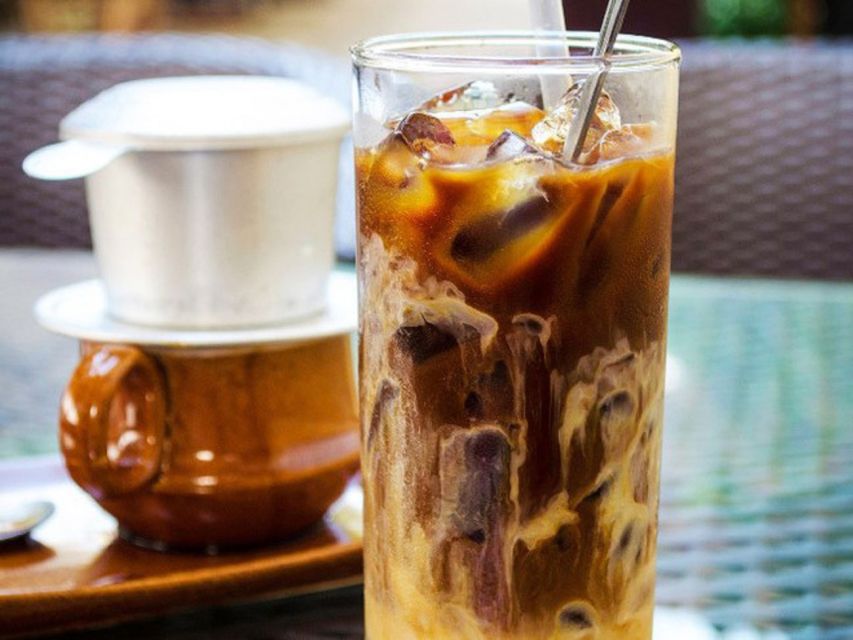
- Five coffee styles: Prepare black, white, Hue-style salt, coconut and Hanoi-style egg coffee.
- A Phin lesson: See how Vietnam’s slow-dripping metal filter draws flavor from dark-roasted coffee.
- Coffee with context: Hear about the crop-to-cup process, local café culture and the background to each drink.
- A family-run feel: Instructors include Tan and Le, and the coffee is linked to the family’s grandfather’s farm.
- A social, small-group class: The two-hour workshop is limited to 10 people, with tea, a cookie and music.
- A practical price: At $14 per person, ingredients, tools and multiple tastings are included.
Start with tea and stories
The class begins at a workshop decorated with silk lanterns and marked by a COFFEE MAKING WORKSHOP board. There’s no hotel pickup, so you’ll need to reach the meeting point on your own. Once inside, you’re welcomed with Vietnamese herbal tea and introduced to the instructors and the plan for the session.
This first stretch sets the tone. The class is not simply a demonstration where you sit back and watch someone pour coffee. The instructors talk about the place coffee has in Vietnamese life, how popular cafés connect to local history, and how the beans make their way from crop to cup. You get a bit of cultural context before you start measuring and mixing.
The family-run character adds a useful personal thread. The coffee is associated with the family’s grandfather’s farm, giving the introduction a link to real production rather than just broad facts about the country’s coffee culture. Tan and Le are named among the instructors, and the teaching style is described as humorous and relaxed. Expect some banter alongside the explanations, not a solemn lecture.
The group limit of 10 helps keep the class participatory. That matters when everyone is handling equipment and following a recipe: you’re less likely to be stuck watching from the back, and there’s room to ask questions. English and Vietnamese are spoken, and an English audio guide is included.
More coffee workshops in Hoi An:
- Early Morning My Son Sanctuary Trip w. Champa Food & Coffee
★ 5.0 · 629 reviews - Vietnamese Culture and Coffee Making Class
★ 5.0 · 497 reviews - Hoi An: My Son Early Morning with Banh My and Coffee 6 am
★ 4.7 · 205 reviews
Learn the Phin, Vietnam’s slow-drip filter
The Phin is a small metal coffee filter, often compared with a French press, though its brewing method is different. Water passes slowly through coffee grounds held in the filter, producing the concentrated base used in several Vietnamese drinks. The class shows how the filter works and why it gives the coffee its deep, strong character.
You’ll also hear about roasting dark beans and pairing them with sweet condensed milk. That pairing makes sense once you taste it: the sweetness softens the coffee’s force without hiding it. The lesson gives you a way to understand the balance in the cup, then try to recreate it yourself.
This practical part is especially useful if you enjoy coffee at home. You aren’t just told that a drink is strong or sweet; you see how the base is brewed and how ingredients change the result. The class highlights the technique and the recipe, while also leaving room to notice what you like best.
Make five distinct Vietnamese coffees
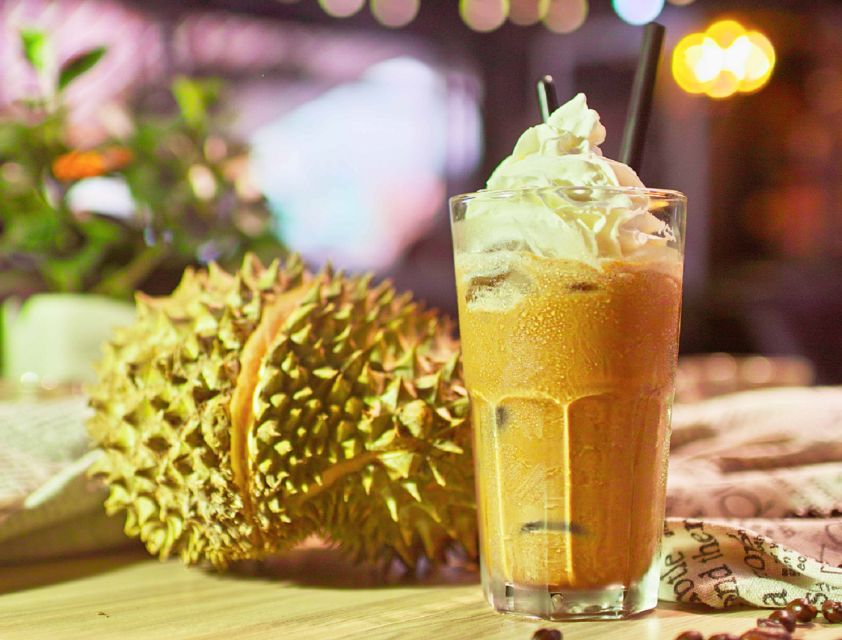
The workshop moves from the coffee base to the finished drinks. You prepare black coffee, happy white coffee, Hue Imperial salt coffee, coconut coffee and Hanoi capital egg coffee. The exact pace will depend on the group, but the format is hands-on: you follow demonstrations, handle ingredients and make the drinks rather than sampling only pre-prepared cups.
Black coffee is the clearest way to get acquainted with the brew itself. With fewer additions, you can focus on the strength and flavor of the coffee. Happy white coffee brings in the familiar sweetened-milk pairing, while the other styles show how the same coffee base can take on very different character.
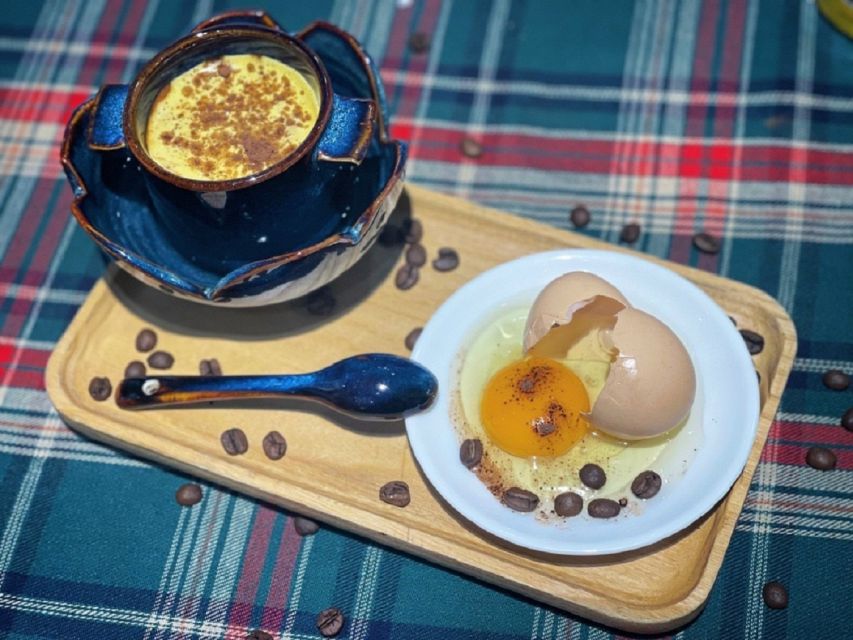
Hue-style salt coffee is the most unexpected name on the list. Salt may sound odd in a sweet coffee, but the class gives you the chance to try the combination and see how it works in the cup. Coconut coffee offers another change in texture and flavor. Hanoi egg coffee is a highlight for many people, and the class explains the recipe behind the drink rather than leaving you with the mystery of a frothy topping.
The listed class description refers to four styles in one place, while the preparations named and commonly described for the session total five. The practical expectation is a five-drink tasting, but the lineup may be worth confirming when you book if one particular recipe is the main reason you’re going.
Taste your work, then take the recipes home
At the end, you get time to sip what you’ve made with a cookie, music playing in a comfortable setting. The cookie is a small touch, but it helps turn the final tasting into a pause rather than a rushed finish. You can compare the styles while the recipes and methods are still fresh in your mind.
The amount of coffee is the main practical catch. Five preparations mean a substantial dose of caffeine, even if you don’t drink every last drop. If you’re sensitive, eat before class and consider booking a morning session rather than making this your late-day activity. That is particularly sensible if you have trouble sleeping after coffee.
Recipes are described as part of the learning experience, and you’ll leave with skills you can use again. Some versions of the class have also included a small Phin filter or a recipe card, but those extras are not listed among the standard inclusions. Treat them as a possible bonus, not something to count on.
More coffee stops in Hoi An:
- Hoi An: Vietnamese Coffee Making Workshop at Local Roastery
★ 4.8 · 174 reviews - Hoi An: Lantern and Coffee Making Class
★ 5.0 · 154 reviews - My Son Sanctuary Early Morning Tour 6 am w Banh my and Coffee
★ 5.0 · 142 reviews - Hoi An: Hands-on Vietnamese Coffee Making Class with Long
★ 4.8 · 66 reviews
What $14 gets you
At $14 per person, the value is strong for a two-hour activity. The fee includes the class, ingredients and tools, coffee and Vietnamese tea, cookies, and a local guide. You’re making several drinks and getting both technique and cultural context, so the cost covers more than a quick tasting.
The class is also a good way to spend a hot or rainy stretch of the day without needing to arrange transport or a full excursion. It takes place in Hoi An, lasts two hours, and keeps the group small. If coffee is part of what you came to Vietnam to taste, learning how the drinks are made can make café stops afterward more rewarding.
There are a few limits to keep in mind. Hotel pickup and drop-off are not included, and the activity is not suitable for people over 95. The venue is wheelchair accessible. Cancellation is free up to 24 hours ahead, and the reserve-now, pay-later option can help if your plans are still shifting.
Who will enjoy this class most
This workshop suits coffee drinkers who like to understand what’s in the cup, not just order it. It’s also a good fit for couples, friends and solo visitors who enjoy doing an activity with a small group. The instructors’ humor and easy teaching style make it social without requiring you to know anything about brewing.
You don’t need to be an expert. The class starts with the basics of the Phin and the coffee process, then moves into recipes you can try at home. If you already know Vietnamese coffee, the value is in comparing styles and learning the details behind them.
Be more cautious if caffeine affects you strongly. Five coffees in one sitting is a lot, and the sweetened recipes can be substantial as well. If you have dietary restrictions, ask ahead about ingredients. The vegan option has a specific limitation: it does not include an egg substitute, though non-dairy milk is used. That may suit some people avoiding dairy, but it does not make the egg coffee vegan.
Should you book it?
Book this class if you want an affordable, hands-on introduction to Vietnamese coffee culture and don’t mind a generous caffeine tasting. The best reasons to go are the five distinct recipes, the Phin demonstration, and the chance to hear local stories from a family-run team.
Skip it or choose another activity if you avoid caffeine, need a fully egg-free vegan tasting, or prefer a quiet, formal lesson. For most curious coffee drinkers, though, two hours is a useful and enjoyable way to learn more than a café menu can tell you.
FAQ

How long is the coffee-making class?
The class lasts two hours.
How much does it cost?
The listed price is $14 per person.
Which coffees will I make?
The class prepares black coffee, happy white coffee, Hue Imperial salt coffee, coconut coffee and Hanoi capital egg coffee.
Is the class hands-on?
Yes. You learn the brewing method and make the coffees yourself with the ingredients and tools provided.
What is a Phin?
A Phin is a small metal filter used to brew Vietnamese coffee. The class explains how it works and how it produces a strong coffee base.
What is included in the price?
The class, ingredients and tools, coffee and Vietnamese tea, cookies, and a local guide are included.
Is hotel pickup included?
No. Hotel pickup and drop-off are not included.
What languages are available?
The instructors speak English and Vietnamese. An English audio guide is included.
Is the class suitable for vegans?
The vegan option uses non-dairy milk, but there is no vegan substitute for the egg. Ask about the recipes before booking if you need an egg-free experience.
More hands-on workshops in Hoi An
- Hoi An: Vietnamese Foldable Lantern Making Class
★ 4.9 · 3,742 reviews - Cooking Class Hoi An:Local Market, Basket Boat, Fishing & Cooking
★ 5.0 · 3,660 reviews - Hoi An Cooking Class(Market,BasketBoat Crabfishing&Cooking Class)
★ 5.0 · 3,386 reviews - From Hoi An: Market Tour, Basket Boat Ride and Cooking Class
★ 4.8 · 2,208 reviews
Newest tours in Hoi An
- Hoi An to Dong Hoi rides by Private Car service★ 5.0 · 4 reviews
- Private Taxi from Hoi An to Da Nang by Sedan/SUV/16 Seats★ 5.0 · 3 reviews
- Private Car Rental from Hoi An to Hue★ 5.0 · 3 reviews
- Hoi An Photographer & Vacation Photoshoot – Private Session★ 5.0 · 7 reviews
- Hoi An to Da Nang Transfer – By Car★ 4.5 · 13 reviews
- Hoi An Street Food Tour By Scooter★ 5.0 · 13 reviews
- BaNa Hills with Golden Bridge 1 Day Tour from Hoi An/Da Nang★ 5.0 · 19 reviews
- Ba Na Hills, Da Nang & Hoi An Optional Private Tour★ 5.0 · 8 reviews
Hoi An Coffee Workshops, compared.

Early Morning My Son Sanctuary Trip w. Champa Food & Coffee
Read our review →

My Son Early Morning with Banh My and Coffee 6 am
Read our review →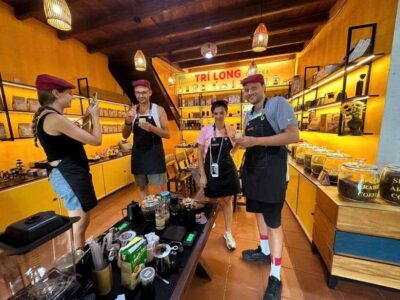
Vietnamese Coffee Making Workshop at Local Roastery
Read our review →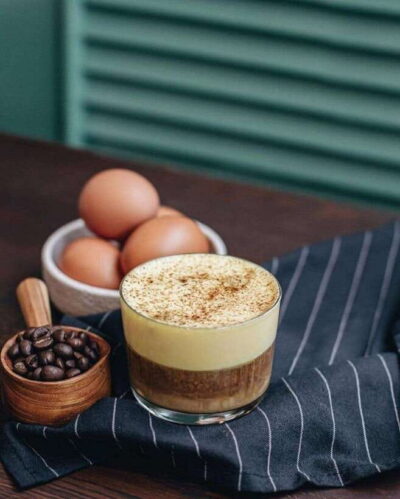
My Son Sanctuary Early Morning Tour 6 am w Banh my and Coffee
Read our review →
Hands-on Vietnamese Coffee Making Class with Long
Read our review →
Unique Lantern and Coffee Making Class in Hoi An
Read our review →Browse the lists this tour appears in